We are approaching a fundamental shift in healthcare technology management with the upcoming changes to the HIPAA Security Rule. In conversations across the industry, there is a recurring misconception among health tech technical leaders that these updates are primarily a compliance team problem. They are not. This update is an engineering mandate disguised as a compliance requirement. The transition of critical security controls from "addressable" to "required" forces a move away from accepted risk and toward genuine, verifiable architectural resilience.
Safeguarding personal health information is a deep ethical responsibility. The data entrusted to healthcare organizations represents the most private aspects of people’s lives. As threat landscapes become increasingly sophisticated, regulatory frameworks are evolving to demand that technical implementations match the gravity of this responsibility. Building systems that are secure by design is no longer an optional best practice; it is the baseline standard for operating in the healthcare space and protecting vulnerable populations from exposure.
The most significant operational impact of these changes stems from the reclassification of "addressable" safeguards. Encryption at rest is no longer optional. Maintaining a staging database loaded with real protected health information (PHI) is now a definitive violation rather than a risk your organization can document and accept. Multi-factor authentication must be ubiquitous across your environment. It is not enough to secure the production console; every system touching electronic PHI, including internal applications and custom-built administrative tools, requires robust authentication. Furthermore, network segmentation is becoming mandatory. Relying solely on basic security groups will not survive an audit. The expectation now encompasses private subnets, dedicated virtual private cloud endpoints, and rigorously documented network maps that prove data isolation.
Beyond architectural requirements, the timeline for incident response and risk assessment is tightening dramatically. The incoming rule demands a 72-hour incident response window. This is not 72 hours to begin investigating; it is 72 hours to restore operations and formally report the incident. Meeting this standard requires highly automated runbooks and orchestrated response capabilities that many startups currently lack. Additionally, annual risk assessments must now be tied directly to a living technology asset inventory mapped to your actual infrastructure, rendering static, point-in-time compliance PDFs entirely obsolete.
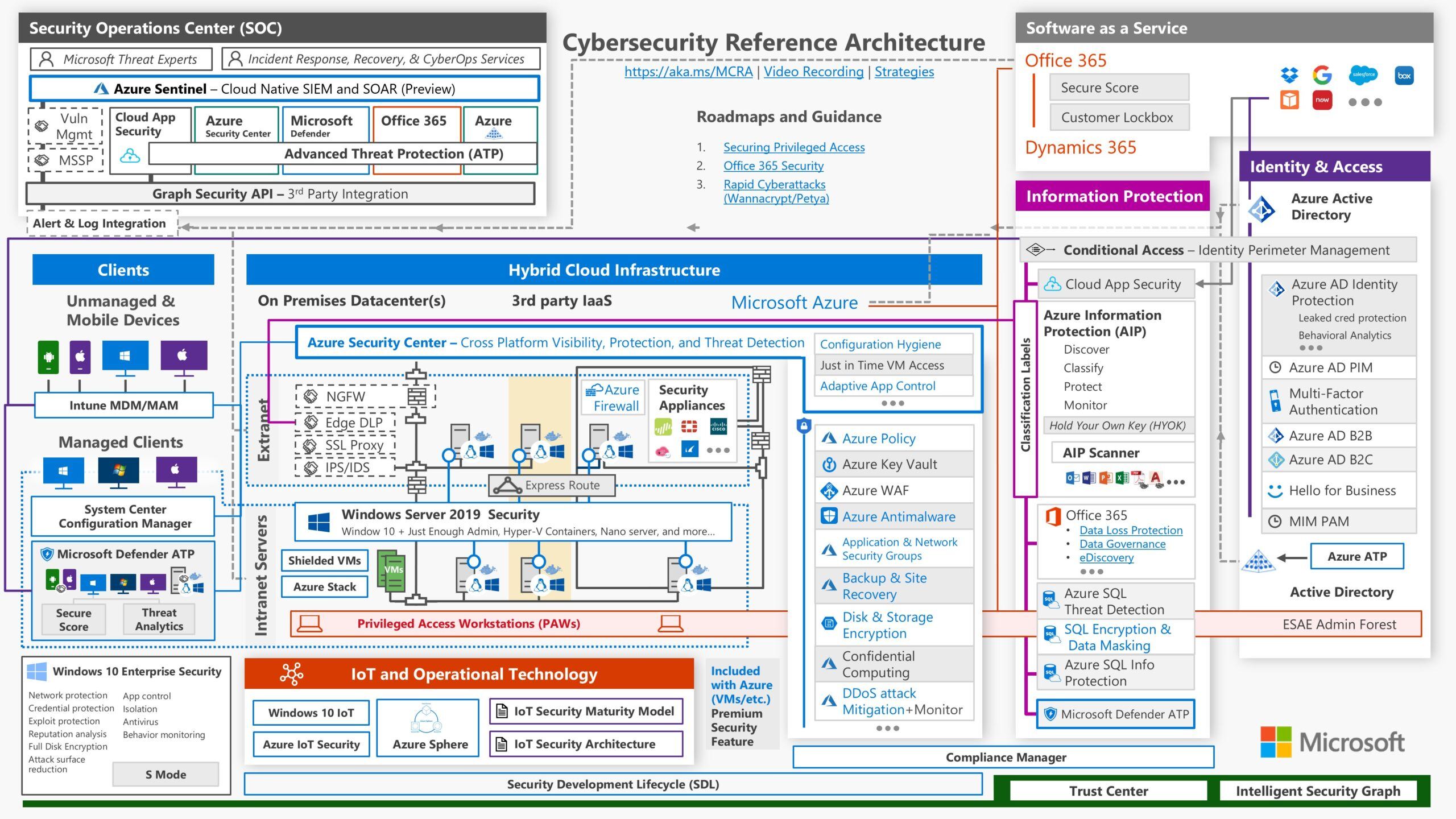
The compliance window for these changes is 240 days from publication. While that may sound generous, scoping the technical debt associated with an enterprise-wide encryption migration or network redesign will quickly consume that buffer. Fortunately, for organizations operating on the Microsoft technology stack, many of the tools required to address these gaps are likely already included in your existing licensing. Instead of purchasing new point solutions, the focus must shift to configuring and deploying the powerful capabilities you already possess to build a comprehensive, defense-in-depth architecture.
To navigate this transition efficiently, technology leaders must evaluate their environments against these specific Microsoft ecosystem capabilities:
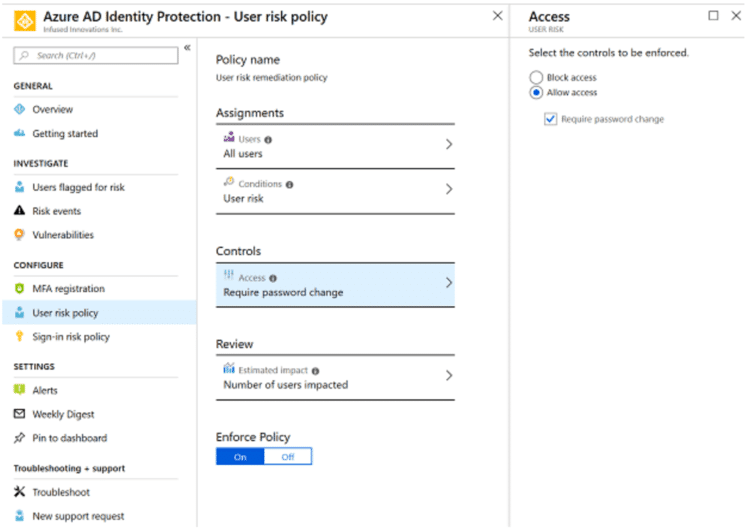
- Ubiquitous Identity Verification: Microsoft Entra ID Conditional Access policies should be deployed to enforce MFA based on user context, device health, and location, ensuring secure access to every internal and external application touching ePHI.
- Comprehensive Data Protection: Microsoft Purview provides critical sensitivity labels and data-level encryption to protect organizational data wherever it travels, while Microsoft Intune seamlessly enforces BitLocker encryption across all endpoint devices to guarantee encryption at rest.
- Rapid Threat Response: The Microsoft Defender stack delivers the automated threat detection and integrated XDR capabilities required to realistically meet the new 72-hour incident response and restoration mandates. When configured correctly, there's also automatic attack disruption capabilities for common attack chains and high-confidence predictive threat modeling.
- Continuous Asset Management: Utilizing native Azure tools like Defender for Cloud ensures that your risk assessments are powered by a living, dynamically updated inventory of your actual cloud infrastructure.
If you are a CTO, CIO, or CISO running on Microsoft 365 or Azure, the time to identify your gaps is right now, before the compliance countdown begins. We partner with organizations to deliver solutions with impact, starting with comprehensive two-week cloud infrastructure assessments tailored for health tech companies. Our process evaluates your immediate HIPAA readiness and maps your environment against modern Zero Trust security frameworks. Crucially, as we identify and prioritize your most pressing security and compliance needs, we simultaneously focus on cost optimization, frequently uncovering up to 20% in infrastructure savings to help fund your modernization efforts. The regulations are changing, but with the right strategic approach, your infrastructure can emerge leaner, more secure, and fully prepared for the future.


No Comments Yet
Let us know what you think